How Does Age Affect Exercise and Fitness?

 5 Aug 2023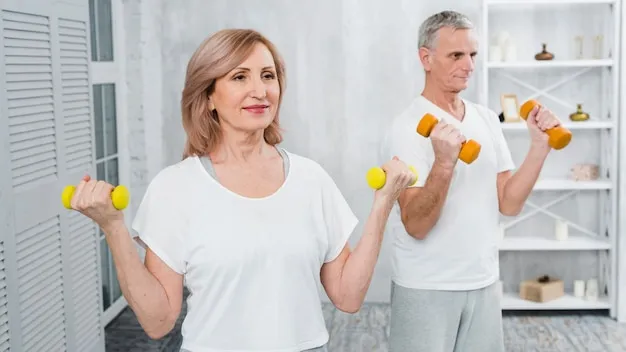

As we journey through life, our bodies naturally undergo changes. One area where these changes become apparent is in our ability to exercise and maintain fitness levels. But how exactly does age impact exercise and fitness? In this blog post, we will explore the effects of age on physical activity, delve into the science behind these changes, and discuss how individuals of all ages can adapt their exercise routines to stay active and maintain optimal fitness.
The Changing Landscape of Physical Activity with Age
Decreased Muscle Mass and Strength

As we age, a natural decline in muscle mass and strength, known as sarcopenia, occurs. This decrease in muscle mass can affect our ability to perform certain exercises, making it essential to incorporate strength training and resistance exercises into our routines to preserve muscle mass and strength.
Changes in Cardiovascular Fitness
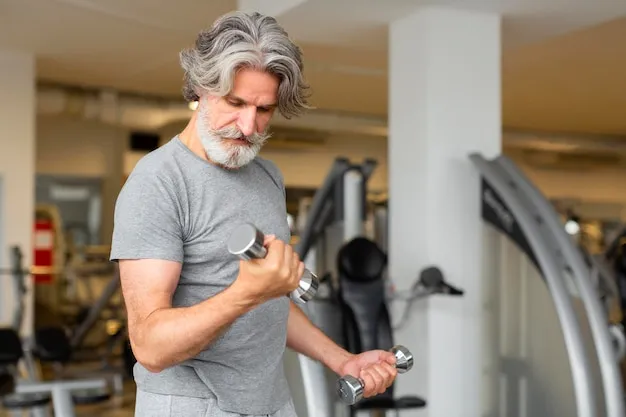
With age, our cardiovascular system may experience changes, including reduced aerobic capacity and decreased elasticity of blood vessels. This can impact endurance and overall cardiovascular fitness. Engaging in regular aerobic exercises and cardiovascular activities can help maintain and improve cardiovascular health as we age.
Reduced Flexibility and Joint Mobility

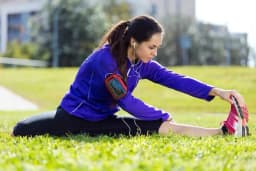
Flexibility tends to decline with age, as our joints become stiffer and less mobile. Incorporating stretching exercises and activities like yoga or Pilates can help improve and maintain flexibility, promoting better joint health and reducing the risk of injuries.
Strategies for Staying Active and Fit at Any Age
Embrace Regular Exercise

Regardless of age, regular exercise remains crucial for overall health and well-being. Engage in a combination of cardiovascular exercises, strength training, and flexibility exercises. Customizing your routine to your abilities and preferences will ensure a well-rounded approach to fitness.
Prioritize Strength Training
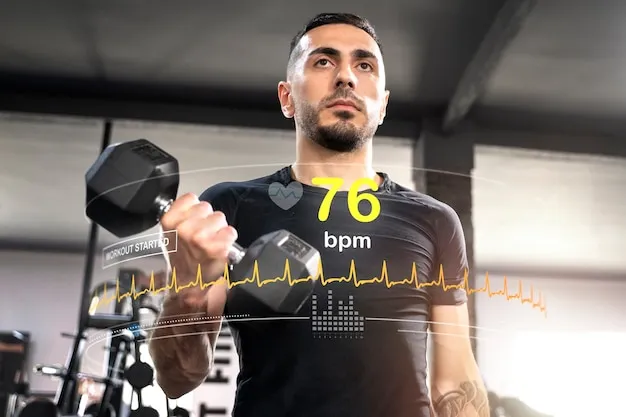
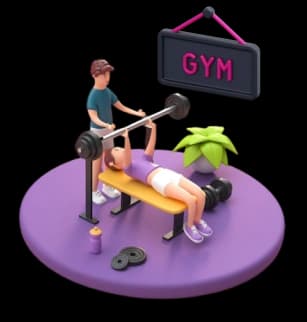
To combat age-related muscle loss, incorporate strength training into your exercise routine. Focus on compound exercises that target multiple muscle groups and gradually increase resistance over time. This can help preserve muscle mass, improve strength, and enhance functional abilities.
Modify and Adapt

As we age, it's important to listen to our bodies and make modifications to our exercise routines. This may include reducing the intensity or impact of certain exercises, choosing low-impact activities, or seeking alternative forms of exercise like swimming or cycling. Working with a qualified fitness professional can help tailor your workouts to accommodate your changing needs.
Age and Fitness: It's Never Too Late to Start
Consistency is Key
Regardless of age, consistency is crucial. Aim for regular physical activity and maintain an active lifestyle to reap the benefits of exercise. Start with realistic goals and gradually progress over time.
Seek Professional Guidance

Consulting with a healthcare professional or a certified fitness trainer can provide valuable insights and guidance specific to your age and fitness level. They can help design a safe and effective exercise program tailored to your needs and goals.
Conclusion:
So, how does age affect exercise and fitness? While age brings about certain changes in our bodies, it doesn't mean we should give up on exercise or neglect our fitness. By understanding the effects of age on physical activity and implementing appropriate strategies, individuals of all ages can stay active and maintain optimal fitness levels. Whether it's strength training, cardiovascular exercises, or flexibility routines, adapting our approach and seeking professional guidance can help us continue leading healthy and active lives throughout the aging process.
References:
Hurley, B. F., et al. (2019). Exercise and Aging: The Science of Successful Aging. In ACSM's Exercise for Older Adults (pp. 1-20). Philadelphia: Wolters Kluwer.
Marzolini, S., & Oh, P. (2017). The Role of Resistance Training in the Prevention and Treatment of Chronic Disease. American Journal of Lifestyle Medicine, 11(1), 96-111.
Cadore, E. L., et al. (2014). Age-Related Effects of 8 Weeks of Resistance Training on Strength and Functional Limitations in Older Women. Journal of Aging and Physical Activity, 22(4), 581-589.
Haff, G. G., et al. (2016). Resistance Training for Older Adults: Position Statement from the National Strength and Conditioning Association. Journal of Strength and Conditioning Research, 30(8), 2006-2026.